

Lighting up the night sky with a magnificent display of fireworks is a popular and fun way to usher in the New Year, Diwali or Guy Fawkes, but while it may be a display of awe for us, it is hellish for our four-legged companions. Every festive season sees the SPCA with their hands full of scared and disorientated pets, some that have escaped their homes out of sheer desperation and confusion. Fireworks and thunderstorms are the main causes for animals to go astray over the holidays, especially when their owners are not around.
The importance of microchipping your dog and fitting them with a collar
The likelihood of reuniting with your lost pet is a lot stronger if your pet has been fitted with a microchip and wears a collar and tag. A microchip is implanted between the shoulder blades of the animal and is permanent. These microchips can be implanted at your local vet. Should your pet go missing, you should also report this to your local SPCA, animal welfare societies, local neighborhood groups and vets in your area.
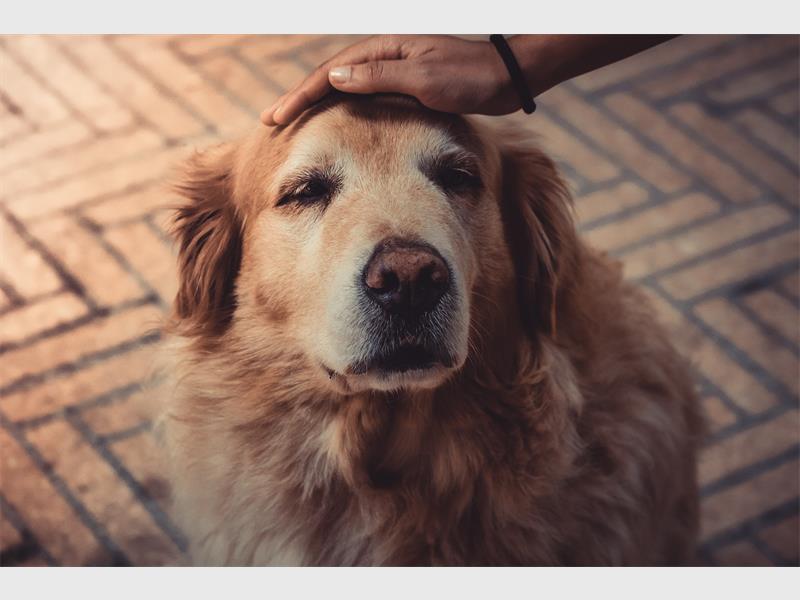
Photo by Jean Alves from Pexels
There are various ways to prepare your pet for thunderstorms or fireworks:
• Make sure your pet gets plenty of exercise earlier in the day: a brisk walk, a jog or a game of Frisbee will help to tire it out.
• Keep pets indoors during firework displays and thunderstorms, preferably with a human companionship.
• Close all windows, curtains and doors, where possible, to block out flashing lights and sounds.
• Provide toys, treats and other distractions to keep your pet occupied. A frozen treat like a chicken stock Popsicle serves as a good idea to keep your pet occupied for a longer period of time.
• Speak to your vet about supplements and pet-appropriate medication available for managing your pet’s anxieties.
• Turn on music or the television to muffle the sounds of thunderstorms and fireworks. Classical music that is played at a reasonable level is recommended to work best and is most effective when you begin playing the music well before the fireworks or thunderstorm begin – at a time when your pet is already peaceful and relaxed. Your pet will begin to associate the music with being calm. Continue playing the music until the storm and fireworks have ceased.
• Do not fuss over or punish your pet should it become agitated, as this will only worsen its behaviour. Act as if all is normal and ignore the fearful behaviour, unless it is harmful to your pet.
• Provide a secure place, preferably indoors, so your pet can’t escape your property if startled by loud noises.
• Allow your pet to hide in a “safe place”. This might be a blanket-lined cupboard or a pet cave. Pets often prefer small enclosed areas when they are afraid of sounds. If your pet runs to hide in a corner or under a bed, don’t try to coax it out. Let your pet be where it feels safe.
• Ensure you are calm, so your pet’s fear does not mirror your fear.
Once you experience the first thunderstorm of fireworks display with you pet, you will have a better understanding of managing your pet’s fear and anxieties.