Recycling myths debunked
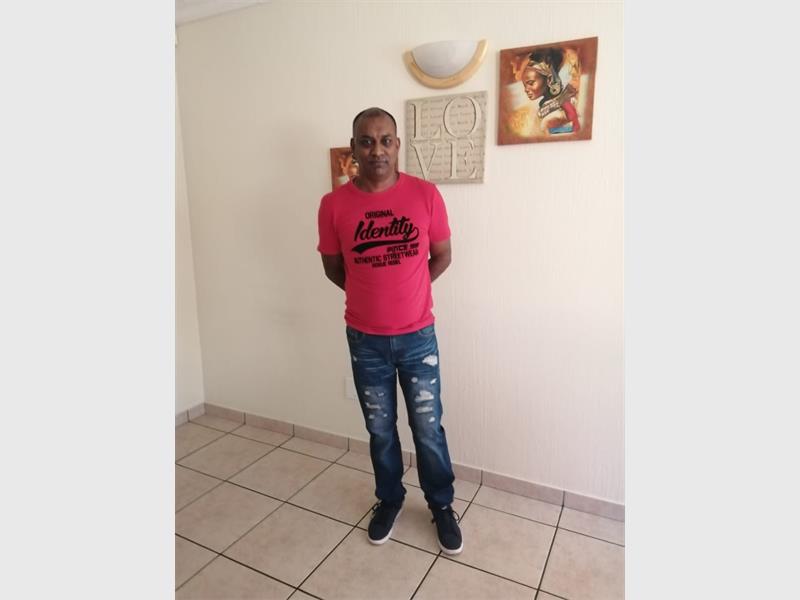
Mpact Recycling managing director John Hunt debunks some of the myths surrounding recycling and urges citizens to take responsibility for managing their waste.

WITH increasing pressure on South Africans to reuse, recycle and reduce waste to landfill, Mpact Recycling managing director John Hunt debunks some of the myths surrounding recycling and urges citizens to take responsibility for managing their waste.
“There are many ways to make a difference. It may require a little extra effort, but the payoff is a cleaner, healthier country for our children and generations to come. We all need to see the bigger picture and consider the possibly disastrous outcomes if we don’t make the effort,” he said.
Myth
Only white paper is recyclable.
Fact
Most paper is recyclable. From high-grade white office paper to coloured paper, corrugated board, newspaper, magazines, cereal boxes and telephone directories. They can all go into a bag for kerbside collection or to the nearest paper bank or collection centre.
Paper that is not suitable for recycling includes wax-coated paper such as dog food bags, chip and sweet wrappers, and boxes coated with wax or oil and grease.
Myth
Milk and juice cartons are not recyclable.
Fact
Hunt says milk and juice cartons are recyclable, but this was not always the case.
“The cartons are made up of 75 per cent recoverable paper fibre, 20 per cent polyethylene and five per cent aluminium. South Africa’s capacity to recycle them was limited until we (Mpact) launched our own liquid packaging recycling plant at our Springs paper mill facility last year. The R46-million investment will enable us to recycle approximately 25 000 tonnes of packaging every year.”
Myth
There is no landfill crisis.
Fact
In January it was widely reported the City of Johannesburg’s Robinson Deep landfill site was nearing capacity [Northover1]. The Western Cape’s Environmental Affairs Department [Northover2] also announced many of the province’s waste sites were reaching capacity.
In addition to having a finite capacity, landfill sites are a major potential source of pollution in the form of toxins, leachate and greenhouse gases. The more South Africans can recycle, the less harmful chemicals and gases are released into the environment.
Myth
Products made from recycled content are not good quality.
Fact
Recycled goods are strong and functional. The quality varies according to what the recycled paper or plastic will be used for.
Hunt said Mpact Recycling supplies recovered paper to the Mpact Group’s paper mills and plastic to its Mpact Polymers plant.
“The recycled paper is used to produce recycle-based cartonboard and containerboard. This is transformed into corrugated boxes, cartons for packaging of goods, cores for materials handling, pizza boxes and even cereal and toothpaste boxes.”
Mpact Polymers converts the recovered polyethylene terephthalate (PET) into recycled PET, called Savuka, which is supplied to various partners in the beverages industry for the production of bottles.
In fact, according to the Petco website, “PET bottles are made of one of the few polymers that can be recycled into the same form – a new beverage bottle – again and again.”
“This means PET is not a single-use plastic, such as those used for straws, which can end up in our oceans,” explained Hunt.
Myth
Recycling doesn’t help the environment.
Fact
Recycling paper has a positive impact on climate change. Paper stores carbon and recycling paper helps reduce greenhouse gas emissions by keeping the carbon locked in the paper for longer and extending the life of landfills.
In fact, recycling one tonne of paper can save 26 498 litres of water, 1 438 litres of oil, three cubic metres of landfill space and 1.32 tonnes of CO2 equivalent.
Myth
There are no economic benefits to recycling.
Fact
According to the Paper Recycling Association of South Africa (Prasa), recycling provides jobs to about 100 000 people in South Africa, many of whom are entrepreneurs and small business owners reliant on the sustained volumes of recycled material to earn a living.
Hunt said the greatest benefits of the programme is it creates informal employment for thousands of people in local communities.
“Notably, Mpact Recycling has helped establish about 50 buy-back centres throughout Gauteng, which bring in more than 100 000 tonnes of recyclables every year.”
Hunt concluded by saying there is no good reason not to recycle.
“With greater access to information than ever before, we are obliged to act now to conserve this planet’s natural resources and make it a safer and more sustainable place to live.”
For free daily local news in the south, visit our sister newspapers Alberton Record, Comaro Chronicle, Southern Courier and Get it Joburg South Magazine.
Remember to visit our Facebook, Twitter and Instagram pages. You can also email our offices on cvdwalt@caxton.co.za, juliem@caxton.co.za or luckyt@caxton.co.za
Add us on WhatsApp today! Comaro Chronicle: 079 427 8074 and Southern Courier: 079 404 5789.
Get regular news updates sent directly to your inbox: Newsletter-Signup