GALLERY: Lockdown increases risk of abuse and poverty
How the lockdown is affecting social workers.

Child abuse or any other form of abuse is one of the things that will not stop, not even during national lockdown.
In fact, it is a very dangerous time for victims as ‘their homes’ are not a safe place for them.
There is a growing concern about what impact this might have on those trapped in intimate relationships with people who use violence and abuse.
Local social workers feel that the lockdown is putting more pressure on people who are already pressured.
The RECORD spoke to social workers from different organisations to ask them how lockdown is affecting them and what they are doing to still reach out to the community.
Alida Jooste from Ligstad Alberton
Alida Jooste, social worker at Ligstad, said that two-thirds of Ligstad’s business, within the community, was forced to shut down as it involves the care of over 100 children daily.
“As a social worker, I lost immediate access to these community members who received services from me.
“A group work project was ended abruptly and will need to be picked up after the lockdown.
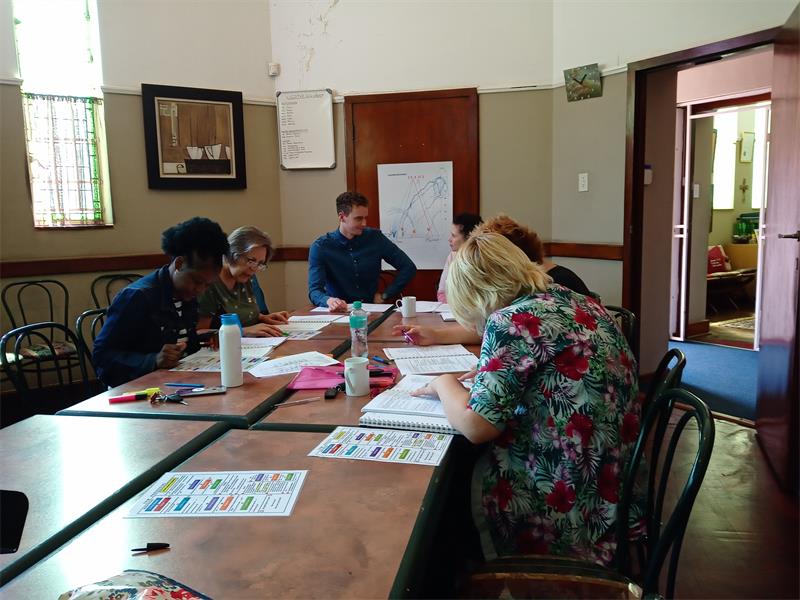
“I was also 80 per cent through presenting a lay counselling course run over 10 weeks when the lockdown was called.
“As an organisation who has weekly meetings with the older people in the community, I now have to rely on telephonic check-ins with the older people who are part of Ligstad’s program.
“I was forced to think outside the box in dealing with matters that are best addressed on a one-on-one basis.”
Alida tries to stay connected to other organisations via the social media platforms to be of assistance where there is a need.
“For example, we had eggs and some fruit that would have wasted away in our fridge that was eventually shared with Amcare as a result of the information I received via the social network platforms,” she said.
“Most of our community groups are connected via WhatsApp groups and it is essential to check in regularly. With older persons, I rather phone regularly.
“We have also put my cellphone number on the closed gate of Ligstad for me to be contacted by community members and it has proved to be a successful way of stating that our services, though limited, still continues,” she said.
Marihet Infantino from Alberton Methodist Care and Relief Enterprise (Amcare)
“Social work services are continuing specifically related to our shelter for victims of domestic violence.
“Victims and their children are still taken into the shelter and assisted with the trauma that they are experiencing,” said Marihet Infantino, general manager from Amcare on behalf of the organisation’s social workers.
“In some instances, clients had to be assisted to get to court to ensure their safety through a protection order. The ladies in the shelter still has to be fed and kept busy.
“Our services are to a lesser extent for our beneficiaries that are infected and affected by HIV/AIDS, as well as our elderly clients, due to the physical lockdown.
“We, however, still have social work staff that check in with the clients to assess if they are still coping.
“We have also experienced a huge increase in homeless people that came to our premises for food, even after lockdown.
“Amcare in conjunction with Live on the Streets, the Alberton HELP Forum, Dare to Care Foundation, Bridge Church and Alberton Methodist Church have assisted in feeding people on the street until they were transported to shelters,” she said.
She said problems their social workers are facing is knowing that clients are vulnerable and not being able to physically reach them with food and emotional support.
“Not all clients have cellphones and we have no means of checking upon them.
“When it comes to moving around to touch base with clients our social work staff have travelling permits, but social distancing is very important and the safekeeping of both client and social work staff members are important.
“Is is therefore about juggling your need as a social work staff member to look after clients but at the same time not affecting or infecting your own family with the virus.”
Trienie Drotschie from Tutela Alberton
“Our services focus directly in and between the communities and 100 per cent entails have contact with our beneficiaries. Yet lockdown and the provisions of the Disaster Management Act, 2002 along with its amendments prohibit us from such contact,” said Trienie Drotschie, director of social work services.
“We are also responsible to fully support our president and play our part to curb the spread of Covid-19.
“To continue our service as in the past, we will be putting our clients and personnel under great risks. New ways of assisting our beneficiaries had to therefore be implemented urgently.
“As social workers we chose this profession as a calling. It does not make this easy as we constantly think we can do more,” Trienie said.
According to her, their social workers must be innovative in new methods of rendering service.
There are also pending cases which can not be finalised in court.
”Those cases thus goes into a backlog that needs to be attended to when this lockdown is over.”
How is lockdown affecting their clients, the vulnerable?
“Families are vulnerable because they are poor and don’t have the means to feed themselves during this period,” said Marihet.
“Many of these families are single mothers with children that now are not able to work.
“If we look at the elderly we are serving, many have very little means to buy food, despite a Sassa grant.
“During the next week that grant will no longer be able to cover nutritional needs so we expect many will be calling for assistance.
“Many elderly are also not going out to buy food as they are scared of getting sick – which means that they are now starting to live on the breadline.
“Before lockdown we were able to support vulnerable elderly with regular bathing and emotional support to their caregivers, which is no longer happening,” Marihet said.
Trienie said that their beneficiaries in lockdown are mostly the poorest of the poor communities.
“They don’t necessarily have access to phones or the internet. They cannot continue with school tasks or be updated on the status of Covid-19 in SA.
“Some don’t necessarily have the skills to keep their children busy or occupied at this time. The risk of conflict and abuse in these circumstances is a reality,” she said.
Alida, on the other hand, mentioned that due to the lockdown, Ligstad’s parents were forced to make alternative arrangements as from March 18.
“Many of them do not have support systems and had to take leave before the lockdown.
“The older persons are hit especially hard as many of them are living alone and look forward to their weekly meetings at Ligstad and other support they receive,” she said.
How you can help social workers during this difficult time?
• Donating of non-perishables to the different organisations
• Donating of clothing and blankets
• Donating of toiletries especially for women
• Financial donations to buy things needed by the vulnerable
Contact them
• Tutela Alberton: 011 907 2922.
• Ligstad Alberton: 011 907 0518
• Amcare: 011 869 5856
What is a social worker
According to Career Explorer, a social worker helps people cope with challenges in every stage of their lives.
They help with a wide range of situations, such as adopting a child or being diagnosed with a terminal illness.
Social workers work with many populations, including children, people with disabilities, and people with addictions.
What is the role of a social worker?
A social worker provides advice, support and resources to individuals and families to help them solve their problems.
They are essential to communities and they also work with specific groups of clients, including children, the elderly and families in crisis, and help them to solve the problems they’re facing.
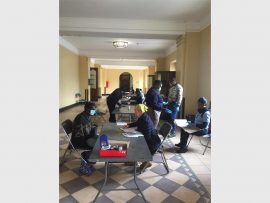
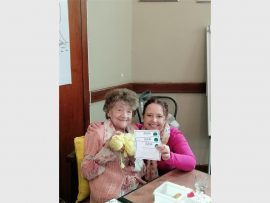
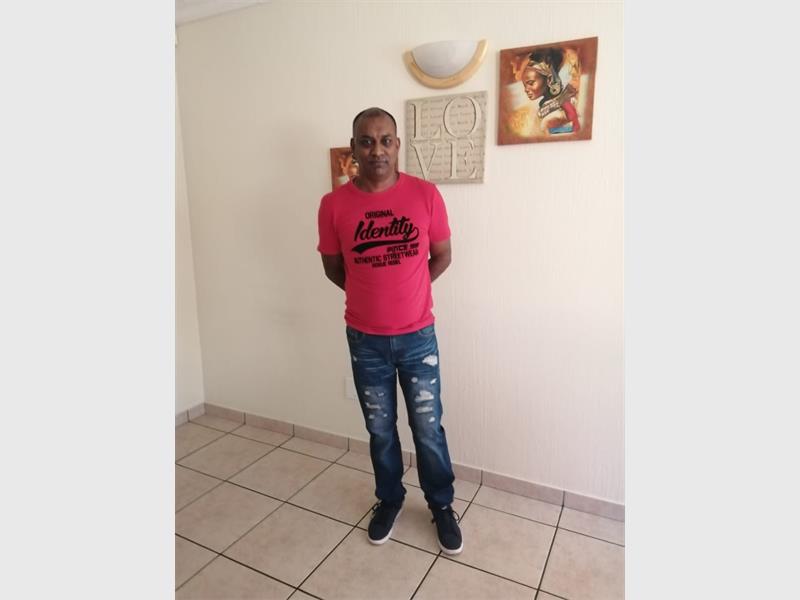
*Photos supplied by the different organisations.
GALLERY: