
ALERT: Severe thunderstorms expected to hit Gauteng this afternoon
Take the necessary precautions when travelling in wet weather conditions.
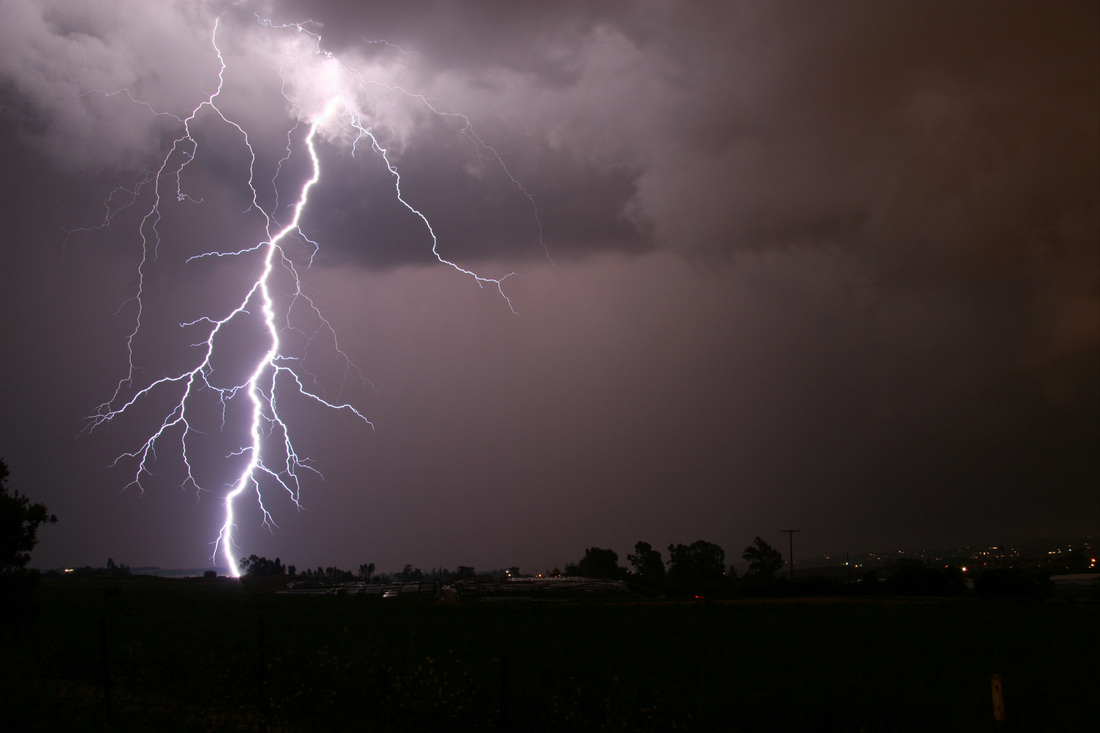

According to the South African Weather Service (SAWS), severe thunderstorms with heavy downpours and strong winds are expected over parts of Gauteng this afternoon (Thursday, October 10).
Watch:10/10/2019 13h00 TO:10/10/2019 18h00 Severe Thunderstorms- with possible heavy downpours and strong winds are possible in places over the City of Tshwane, City of Johannesburg, Ekurhuleni and Lesedi Municipalities of Gauteng from the afternoon today (Thursday). pic.twitter.com/1VUEdMsnzJ
— SA Weather Service (@SAWeatherServic) October 10, 2019
The storms are expected to hit from between 2pm and 9pm.
⚠️ALERT: The SA Weather Service has issued a watch for SEVERE THUNDERSTORMS
🛑POTENTIAL THREAT:
HEAVY DOWNPOURS📆WHEN: THURSDAY, 10 OCTOBER
⏰TIME: 2PM-9PM
📍AREA:
JOHANNESBURG @CityofJoburgZA, PRETORIA @CityTshwane & EAST RAND @City_Ekurhuleni METROS + LESEDI MUNICIPALITY— Gauteng Weather (@tWeatherSA) October 9, 2019
Dialdirect offers the following tips to keep in mind during severe weather conditions:
Hail
- If you are in an area prone to severe hail, make sure that the structures around your home can handle the extra weight, and that you are equipped to clear any build-up as need be. Reinforce structures where necessary.
- When hail is forecast, try to make arrangements to park your car undercover and delay travelling until the storm has passed.
- If you are caught in a storm, look for cover. This could include a covered car park, a petrol station or under a bridge. However, take extreme care when pulling over. Put on your hazard lights, and don’t risk your safety or the safety of others by dashing madly for cover.
- Don’t park under trees as there is a danger of falling branches and debris.
- Another idea is to keep heavy blankets in your car. This will provide you with a protective covering you can throw over the bonnet of your car to prevent hail damage.
If there is no shelter nearby, motorists are urged to pull over onto the side of the road if it is safe to do so. In an unsheltered spot, hail damage is inevitable but, it is safer not to drive through a storm when visibility is poor, the roads are slick and there is a risk of aquaplaning through deep pools of water and ice.
https://www.facebook.com/WeatherServic/photos/a.542579239278737/1111759965693992/?type=3&theater
Floods
- If you live in an area prone to flooding, it is sensible to purchase your own supply of sandbags which can be placed against doorways and low level vents in times of flooding to help minimise the amount of water that enters your home. Also move high value items to the highest possible floor or shelves.
- General and regular home maintenance, like clearing debris from gutters, is essential and will most definitely limit damages and discomfort in times of disaster.
- Turn off gas and electricity if flooding occurs.
- Motorists should not attempt to drive in flood conditions. Remember that just 15cm of moving water can knock you off your feet and water just 60cm deep can sweep a vehicle away. Generally, if the water is deeper than the bottom of your doors or the bottom third of your wheels, it is not advisable to drive through it.
- Flash flooding often occurs when rivers flow over low-lying bridges. Avoid crossing bridges or roads next to rivers during heavy rains. If you do get stuck on a flooded road, it’s best to switch to the lowest possible gear and proceed slowly. If you approach a flooding storm water drain at speed, it is advisable to take your foot off the accelerator and let your speed drop gradually. Never use the brakes suddenly because this may cause the car to skid or aquaplane.
- If trapped in a vehicle during a flood, rather abandon the vehicle and climb to higher ground. It is dangerous to try and drive out of the water to safety.
Severe thunderstorms and lightning
-
- Make sure that any dead and rotting branches are removed from trees to avoid the risk of falling debris during a severe storm. Also ensure that debris is removed from roofs and gutters.
- Make sure that your outdoor furniture is safely stored or firmly secured.
- The power surge of a lightning strike can easily overload most appliances and devices. It’s best to unplug these before the storm arrives.
- If you’re on the road and visibility is too poor or the road is too slippery, rather pull over and switch on your car’s hazards until visibility or traction improves.
- Avoid taking shelter under trees, as this increases the risk of falling debris causing damage or injury.
“Last but certainly not least, the adage – it can never happen to me – does not apply and it is always better to be safe rather than sorry. We urge consumers not to overlook the benefits and the necessity of insurance, whether they live in an area prone to natural disasters or not,” concludes Warwick de Scott-Rodger, from Dialdirect.
ALSO READ:
Tips to avoid an accident while its raining
WATCH: Hailstorm leaves Joburg South homeowners with thousands worth of damages
What to remember when driving in wet conditions
For free daily local news in the south, visit our sister newspapers Alberton Record, Comaro Chronicle, Southern Courier and Get it Joburg South Magazine.
Remember to visit our Facebook, Twitter and Instagram pages. You can also email our offices on cvdwalt@caxton.co.za, juliem@caxton.co.za or luckyt@caxton.co.za
Get regular news updates sent directly to your inbox: Newsletter-Signup