
30 000 African elephants slaughtered every year – understanding the ivory trade part 2
Africa's elephants are majestic, charismatic and beautiful, but they have an absolutely fatal flaw - Mother Nature made the mistake of giving them ivory.
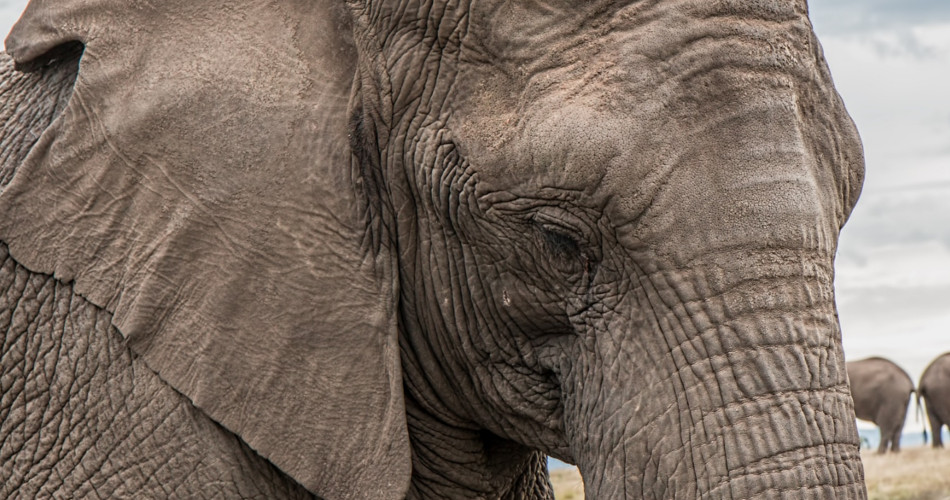

The scourge of elephant poaching over the last decade has devastated populations of this exquisite giant throughout Africa. According to numerous sources, including National Geographic, an estimated 30 000 elephants are slaughtered every year. This is 82 per day.
Astoundingly, Tanzania lost 30 000 elephants in just three years (accounting for 40% of its population), and over two and a half decades, South Sudan saw 125 000 elephants succumb to their fatal flaw.
China’s 2017 ban
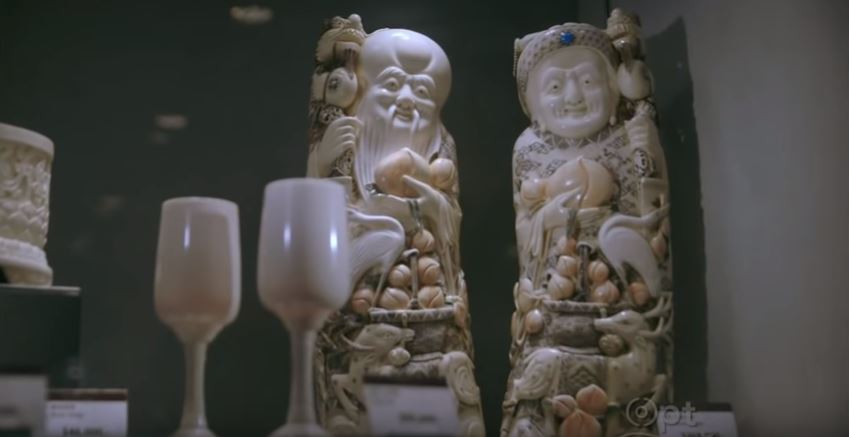
To help curb the rampant demand for ivory and its products – sought in China as a status symbol and for cultural heritage reasons – the Asian behemoth implemented a near-complete prohibition of all ivory trade on 31 December 2017.
At the time of the ban, China was believed to account for roughly 70% of the world’s demand for ivory.
Whereas the Convention on International Trade of Endangered Species of Wild Fauna and Flora (CITES) banned all international trade in ivory in 1989, China continued to allow the sale of ivory products obtained in a 2008 “special sale” of ivory to both it and Japan (more below).
In this article, we focus on the supply side of the ivory trade. For information on what drives demand, please view our sister article, Understanding the ivory trade part 1.
The supply of ivory
A mask of legality
Despite a comprehensive ban on the international ivory trade in 1989, a “special sale” authorised by CITES in 2008 spurred the declining Chinese demand by providing an abundant supply of ivory.
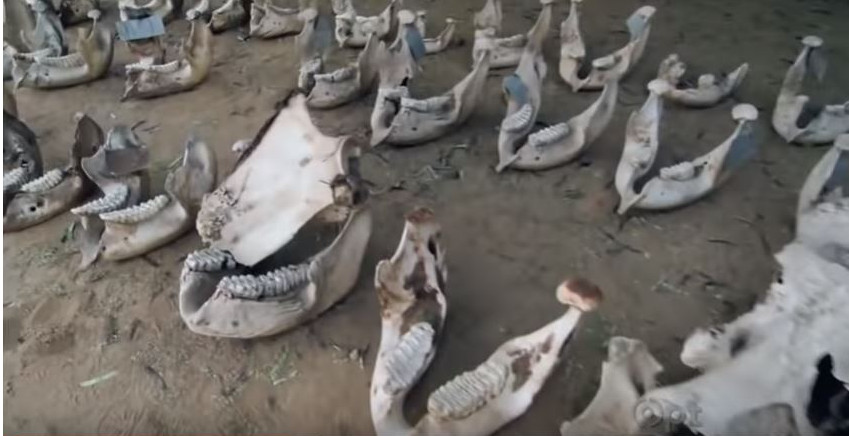
The booming legal trade resulting from the sale hid a profitable underworld of corruption, illicit flows of money, and a continent-wide graveyard of elephant carcasses.
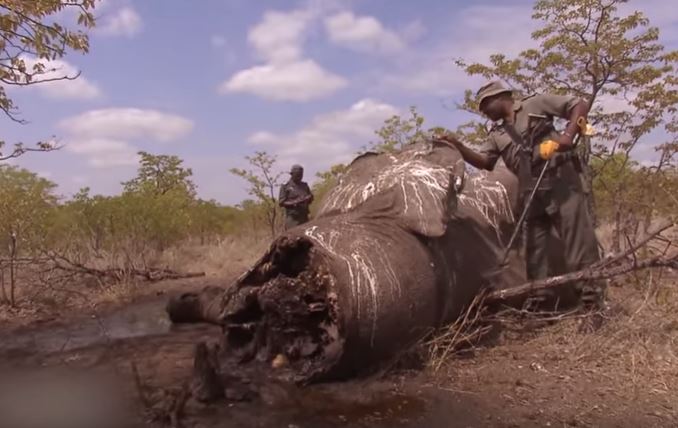
The supply of completely illegal ivory to dealers authorised to sell (supposedly legal) ivory products, was, in the view of the International Fund for Animal Welfare, overwhelming. It reported that up to 84% of all trade was with poached tusks.
After the 2017 ban
It’s been just over 18 months since the 2017 Chinese ban, and sources indicate that ivory prices have dropped and that the Chinese market continues to shrink.
But it is too early to celebrate: there have been reports that illegal ivory trafficking has only grown. According to the wildlife conservation group, Save the Elephants, increased amounts of ivory from Africa are being smuggled from Myanmar into China.
The BBC has also reported that Laos (and Thailand) have increased their demand for ivory, and that both countries are tourist hotspots for Chinese travellers.
Corruption and the African killing fields
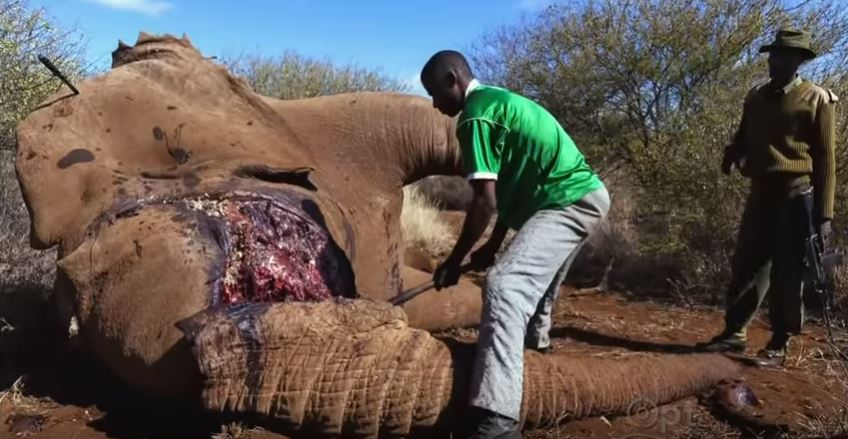
Of course, Africa made – and still makes – for the perfect hunting grounds: parks without resources to police their areas adequately, corrupted rangers, willing “middle men” who source tusks for potential buyers, and (allegedly, at least) the collusion of African governing structures with high level Chinese officials.
Like rhino poaching, well organised and thoroughly entrenched syndicates fund poaching operations and manage the necessary logistics.
African ivory dealers have gone so far as to report that many hundreds of kilograms of tusks have been flown out of the continent on aeroplanes carrying Chinese officials – this owing to the fact that diplomatic transport isn’t allowed to be searched.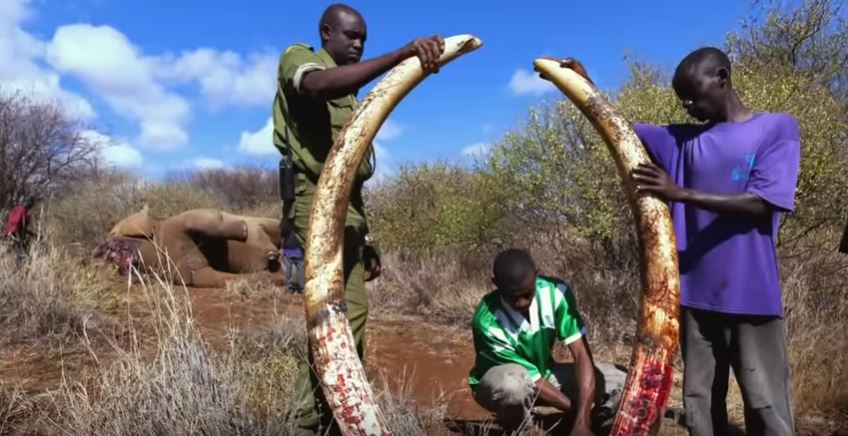
Tusks are also smuggled through large African ports and Asian super ports, where port authorities have no ability to inspect more than a small fraction of shipping containers.
Changes in behaviour
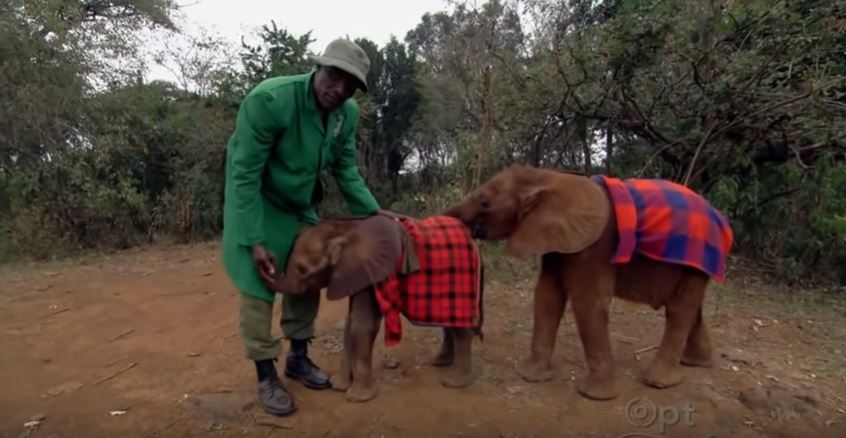
Considering the renowned capacity of an elephant’s memory and their practice of mourning their dead, it should hardly be surprising that these gentle giants are showing marked changes in behaviour.
In the presence of humans, they quickly retreat, bunch together protectively and encircle their young, display aggression, “freeze” in order to hear any movement, and their temporal glands’ secretions indicate severe and persistent stress.
Are there solutions?
The question is, how to make meaningful inroads into constraining the supply of ivory?
In 2013 the BBC reported that, in addition to intiatives like a privately funded paramilitary force patrolling the country’s Samburu National Reserve, Kenya had an uncompromising solution that sparked controversy.
The unforgiving and extremely hard line anti-poaching policy permitted the use of lethal force in certain situations.
If an identified poacher resisted arrest, rangers were authorised to engage and to shoot to kill.
The Former Kenya Wildlife Service Director, Julius Kipng’etich, stated that in one year rangers had killed up to 40 poachers, but had lost five of their own. According to Kipng’etich,
This is a deadly game, and people lose their lives in the protection of this precious heritage.
In terms of criminal prosecutions, however, Africa Check noted in 2018 that the Kenyan government denied that convicted endangered species poachers would receive the death penality, as was widely circulated on social media.
Instead, convicted endangered species poachers face a sentence of life in prison and a fine of KSh 20 million (about USD 200 000).
Staying in Kenya, a less radical experiment has provided encouraging results.
By 2013, an anti-poaching operation in Amboseli National Park employed 230 members of surrounding communities, including ex-poachers, paying them competitive wages.
In a period of 18 months, the park saw just 16 slaughtered elephants, compared with Tanzania’s figure of 30 per day.
In 2018, SA lost 72 elephants to poaching – 71 of which were in the Kruger. This was a 6% increase over 2017’s figure of 68. Compared with the other numbers cited in this article, one might venture to say that SA definitely seems to be doing something right.
Circling the abyss of extinction
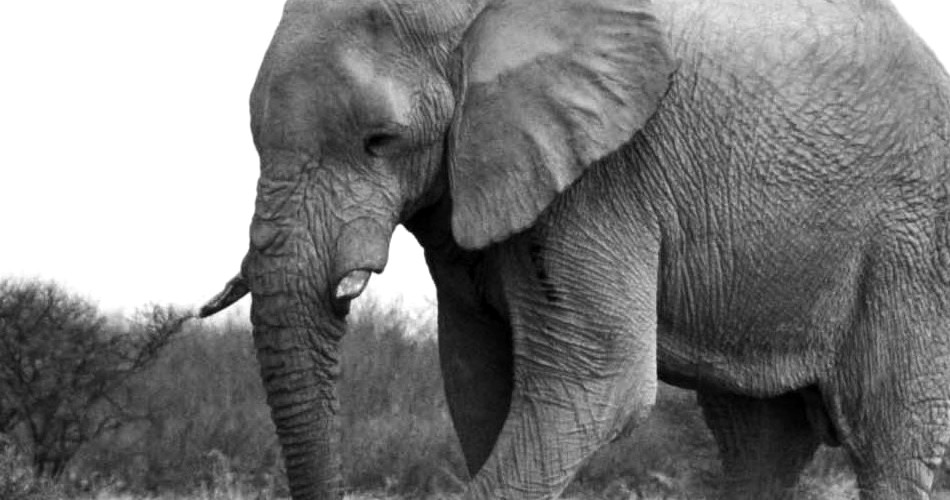
One thing remains clear, however: if we don’t sound the death knell of the rapacious killing of our elephants, these charismatic and gentle creatures may be closer to extinction than we think.
To find out more about the role demand plays in the legal and illegal trade of elephant tusks, read the first part of this two part series on the ivory trade here.