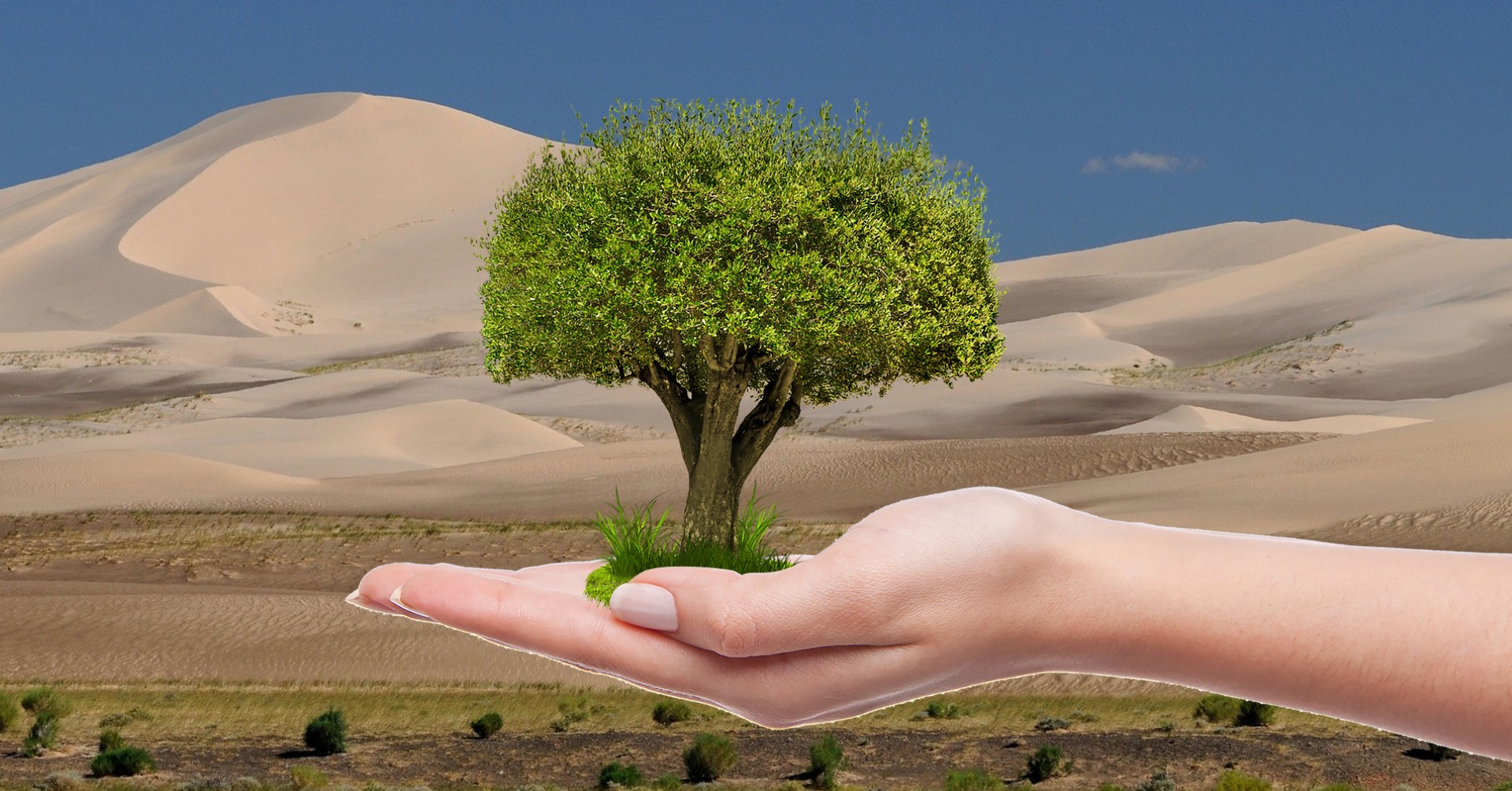
One tree at a time – Reforestation can help save the world’s most underappreciated resource
Large reforestation projects should be a no-brainer, and it’s up to us to support efforts that make a real difference. If not for ourselves, then for future generations.

Rampant deforestation
Just 260 years ago, beautifully lush and biodiverse forests covered an area of 60 million km2. Today, the devastation caused by human activities has reduced this to 40 million km2. That’s 66.6% of their original size.
The problem is not only the reduction of the size of forests, however: areas that remain are less healthy and are of a lower quality.
And there seems to be no end sight.
In the Amazon, to use but one example, a rugby field of natural vegetation is cleared every minute.
The newly claimed land is used primarily for subsistence agriculture, but commercial farming, logging and fuel wood removals add to the problem significantly.

Forests and the fight against climate change
Forests are home to an astounding variety of wildlife, but their value extends far beyond this: forests are central to the fight against #ClimateChange.
- They are carbon sinks, meaning that they absorb the greenhouse gas, carbon dioxide (CO2), from the atmosphere. At the moment, the “lungs of the Earth” absorb three billion tonnes of CO2 every year – amounting to about 30% of all CO2 fossil fuel emissions.
- Forests play a key role in the Earth’s fragile water cycle. When rain falls on forest ground littered with organic waste, it sinks into the soil instead of becoming surface run-off (which causes soil erosion).
- This ground water enters plants via their roots, and is then transpired back into the atmosphere from leaves. 99% of all water absorbed by plant life re-enters the atmosphere through transpiration.
Making a difference
Fortunately, there are governments, organisations and individuals on the frontlines of the battle to lessen the harm we humans have caused.
The Great Green Wall
The ambitious Great Green Wall of the Sahara and Sahel beggars belief, but the initiative is already showing positive results.
The project aims at mitigating the negative effects of global warming and reversing the desertification caused by a growing Sahara.
The African Union leads the initiative, and the construction of a green “wall” of Acacia trees traversing the width of the entire continent (7 500 km) is already under way.
The “wall” is generating employment and sustainable economic development.
The Green Wall of China
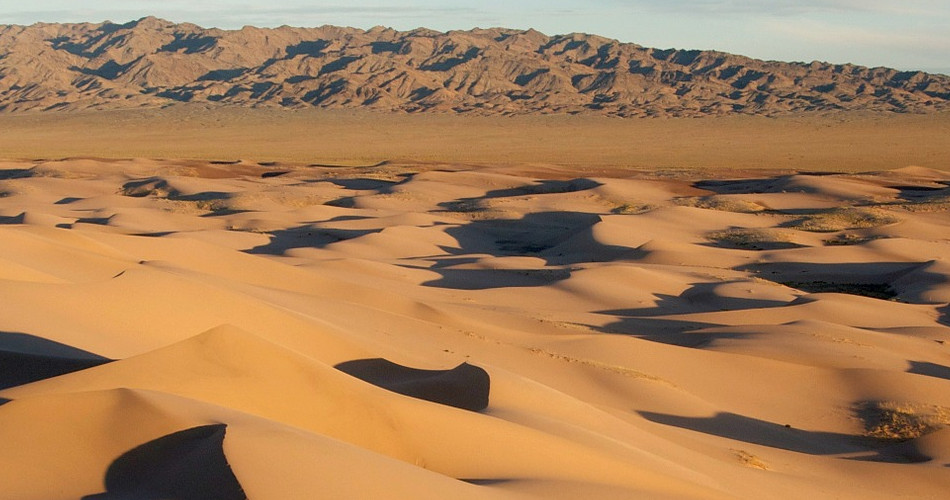
Like the African project above, China aims to prevent the further encroachment of the massive Gobi Desert into mainland China by restoring vital forest regions separating the two.
In its ambition, it compares with the Great Green Wall of the Sahara and Sahel: the Chinese wall is planned to extend 4 500 km in length and 1 500 km in width.
Unfortunately, there have been setbacks. A significant portion of the trees planted every year don’t survive the unforgiving conditions.
Other projects in China have seen a reported 35 billion trees planted in the past few decades, increasing the forested area of the country from 12% to 16.5%. Bear in mind that China is extremely large.
The South African Reforestation Trust and the Platbos Festival
Here at home, the reforestation trust tackles several sites in dire need of strong and timely intervention. These include deforested sites in the Overberg, Grootvadersbosch near Swellendam, Wilderness and Boland.
The trust plants indigenous trees, removes invasive alien species and protects forest-dependent fauna.
The Platbos Festival is a great opportunity for nature lovers to give back to the natural environment. The Platbos Forest – a gem of biodiversity – is situated in the Western Cape, and is under threat from multiple sources, including a fire hazard from surrounding areas and the invasion of alien species.
To date, individuals committed to conservation have planted over 50 600 trees. This truly is an astonishing achievement.
The forest man of India – proving that individuals make a difference
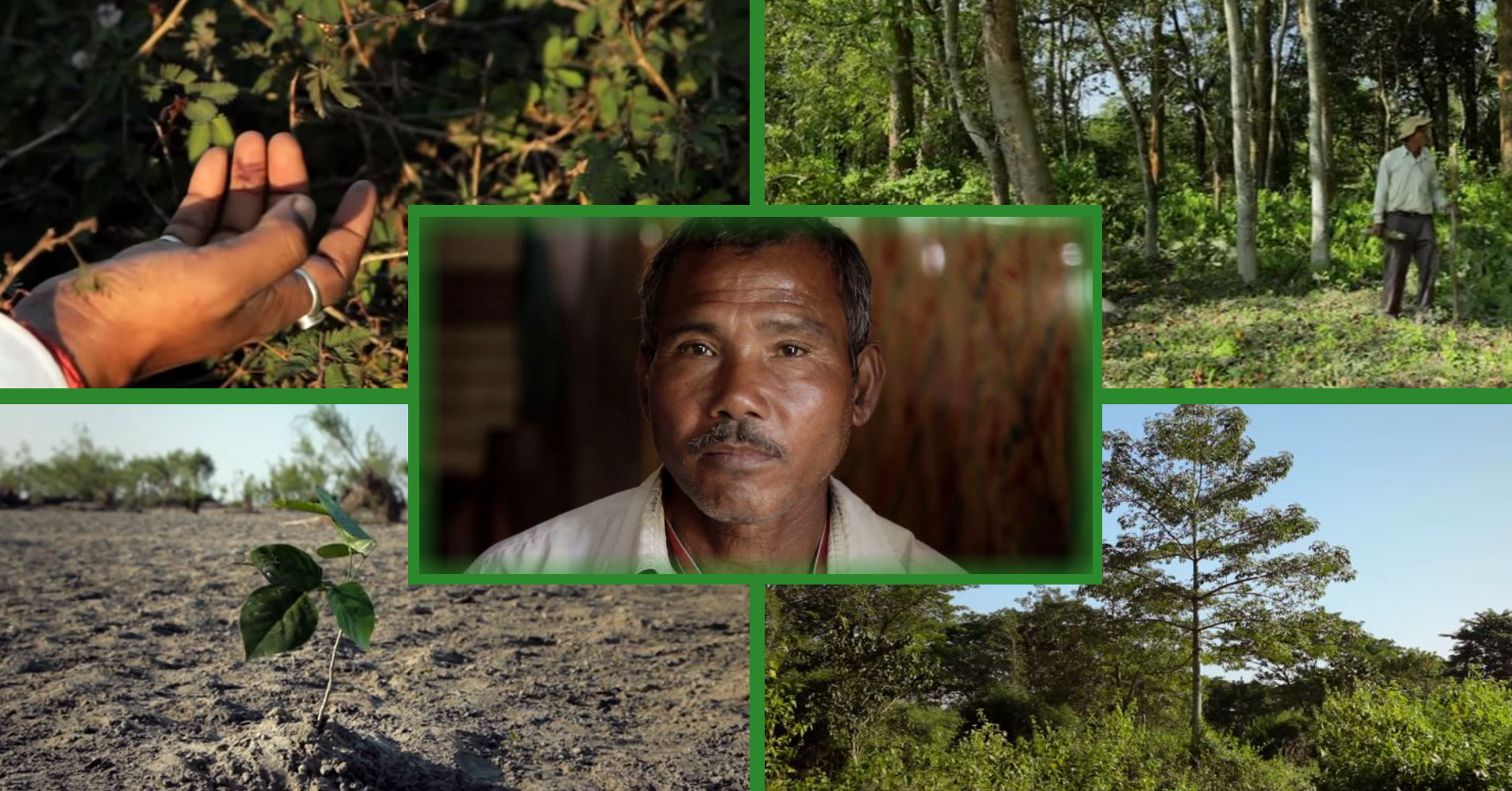
At the age of 16, Jadav “Molai” Payeng saw a sight that changed the trajectory of his life forever – a multitude of snakes, washed ashore a river sandbar by a flood, were dying owing to unprecedented heat and a complete lack of green coverage.
This was in 1979, and so began his life’s work.
Every day from then on, he would take a two hour journey on foot, boat and bicycle to the sandbar to either plant, collect seeds or nurture younger and vulnerable trees.
Over a period of about three and a half decades, his efforts produced something that would have seemed impossible at the outset – he had created an entire forest.
Acting for ourselves and future generations
All of the efforts to stop deforestation are commendable, but more needs to be done to avoid the point of no return, the point at which a human caused climate and environmental catastrophe changes the course of history for the worst.