“Cruel and unnecessary industry”
Lion cub petting is a popular but controversial practice that has been condemned by many conservationists.
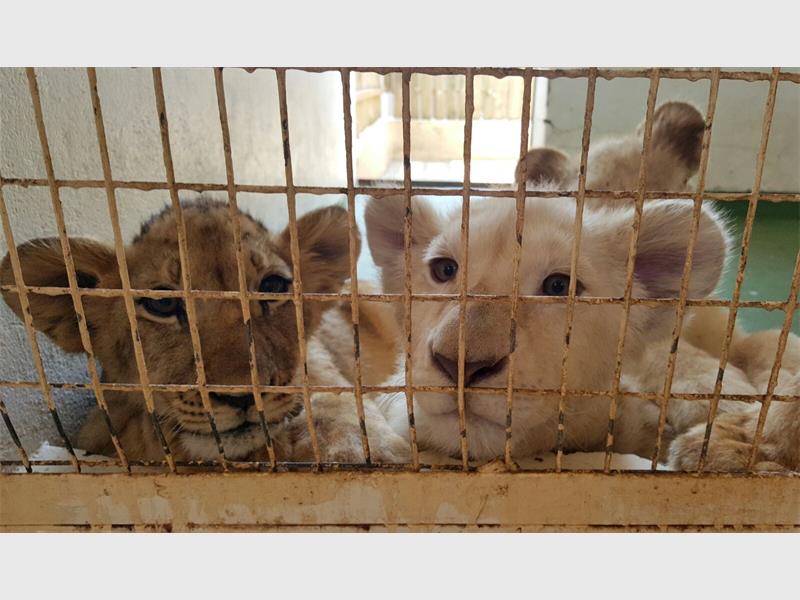

ALBERTON – Conservation of lions and big cats is important to maintain South Africa’s natural animal resources. The practice of lion cub petting that claims to be in service of conservation has a contentious history with animal conservation groups.
The RECORD spoke with conservationist, Drew Abrahamson, founder of Captured in Africa, about lion cub petting and canned lion hunting. Lion cub petting has been condemned by many conservation projects because of its association with canned lion hunting and abusive conditions.
Abrahamson stated that the majority of the cubs are bred in unacceptable and unethical environments. Lions have a gestation period of 110 days. They can be bred frequently over a short period of time. Abrahamson stated that the cubs and their mothers are separated to allow the mothers to conceive quicker. “The majority of cubs encountered at facilities where interaction is provided, are the product of intensive captive breeding or farming,” says Fiona Miles, South Africa’s manager of the FOUR PAWS Animal Welfare Foundation.
Intensive breeding causes many health problems for the lions, according to Abrahamson. Stunted growth, genetic abnormalities, skeletal issues, malnutrition and problems associated with inbreeding are a common sight for her. “It is a cruel and unnecessary industry,” Abrahamson stated. “When the cubs get too big, they are sent back to the breeding farm and sold. Captive lions have one end in this country and that is to be shot.”
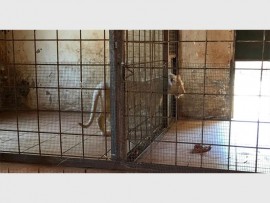
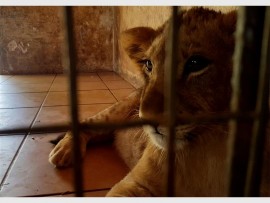
The practice of captive lion hunting in South Africa is legal. Predator breeding laws are dependent on provincial permits which refer mainly to fencing and the size of enclosures.
Abrahamson suggests that schools should educate children about conservation and teach as much as they can about lions in the wild instead of participating in lion cub petting.
For more information on lion conservation visit https://www.capturedinafrica.com/captured-in-africa-foundation, contact Abrahamson on 082 464 2726 or e-mail drew@capturedinafrica.co.za