5 handy tips to get the most out of your next game viewing experience
In the spirit of African awesomeness, we’ve put together a short list of tips to help enhance your next game viewing outing.

We love South Africa, and it’s most definitely an interesting place to live!
The following is a headline from February this year:
Hungry lion on the loose, organisers forced to move Beaufort West marathon
Residents were warned that the hungry lion was roaming in the scrub areas, and would possibly make its way to the route of the marathon. The course of the run was, wisely, changed.
Truly, our country is something wonderful.
With that said, there are, thankfully, better ways to encounter the fantastic wildlife SA has been blessed with.
Taken together, our national parks and private reserves cater to virtually all budgets and preferences.
From the luxury of Sabi Sands to modest campsites under starlit skies, we have no excuse for passing on the opportunity to commune with Mother Nature’s exceptional creations.
Handy tip #1: Pick your time of year
This is a well-known tip, but it’s so important that it needs to be repeated. Timing is everything with all things wild.
Catching the right time of day is essential (20 minutes too late could be the difference between spotting those shy leopards and wondering why you got up at all).
Just as important is getting the month just so.
Whereas every area will have a pretty exact sweet-spot, there is a general rule of thumb regarding the best time of year.
Your target months should be from May to September. One month either side is still acceptable, but slightly less ideal.

During our winter months, vegetation loses its leaves, becomes more sparse, and the drier conditions lead to animals frequenting waterholes regularly.
During early to mid-spring (September and October), new growth is starting, but not yet overwhelming.
The months to avoid are November through March: it becomes excessively hot, and international tourists create crowds that are almost guaranteed to impede your sighting opportunities.
Of course, December has both a school vacation and the festive season holidays.
Handy tip #2: Invest in a decent pair of binoculars
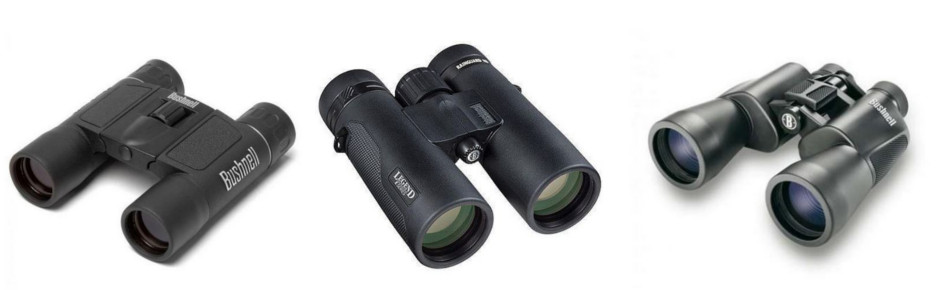
In a previous article about birding we took an in-depth look at binoculars, so we’ll just outline some of the fundamentals here.
All binoculars are associated with two numbers, e.g. 10×50.
The 10 refers to the magnification (10 means that objects appear 10 times closer to you than they are), and the 50 refers to the diameter – in millimetres – of the front lens.
Pundits tend to agree that general purpose binoculars should have a magnification of between 8 and 10. Further, try to avoid zooms – they can present with a number of difficulties, so keep to a “fixed power”.
Higher magnifications result in a smaller depth-of-field (which you want to be as large as possible). The depth-of-field refers to the maximum distance between foreground and background objects that are both in focus.
Higher magnifications also result in a more constrained field-of-view. The field-of-view, in this context, can be regarded as the extent of the panoramic view through the binoculars at a distance of 1 000 m.
As before, you’ll want this to be as large as possible.
Handy tip #3: Layer clothing for winter and spring game drives
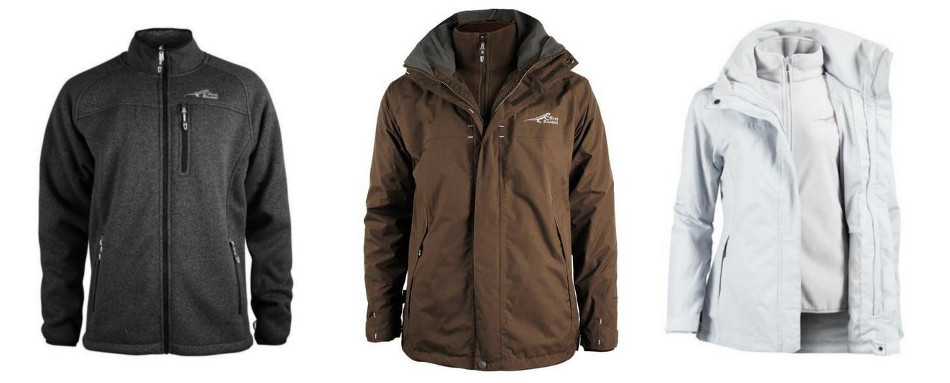
It’s vital that clothing be properly layered – most especially for those winter sunrise and sunset game drives. Good layering also applies to early and mid-spring.
Temperatures can fall very quickly after sunset, and even warm winter days can turn into dangerously (and even fatally) cold nights.
Conversely, temperatures just before sunrise are at their lowest in the 24 hour cycle, but the day could warm up significantly by mid-morning.
Layering for extreme conditions is a very technical subject beyond the scope of this article. Instead, we’ll briefly unpack a few basics.
A good principle to follow is to go from thinnest to thickest, starting with the layer closest to your skin.

A base layer of thermal wear has two functions: it traps your body heat right at its source and it “wicks” moisture away from your skin if you begin to sweat.
Above your thermal leggings, thick pants are a must-have. Too many people get caught out in near sub-zero temperatures in winter game drives wearing nothing more than jeans.
Don’t forget about your feet: make sure your socks are thick enough to keep them warm.
Long sleeve thermal vests function in the same way as thermal leggings.
A heavy shirt and light jersey should be the next layer up.
A solid cold weather mid-layer could consist of a soft shell jacket with a fleece inner, or a down jacket.
The last layer, an outer hard shell jacket, should be windproof (and waterproof for the sake of versatility).
Handy tip #4: Remember to relax and enjoy it
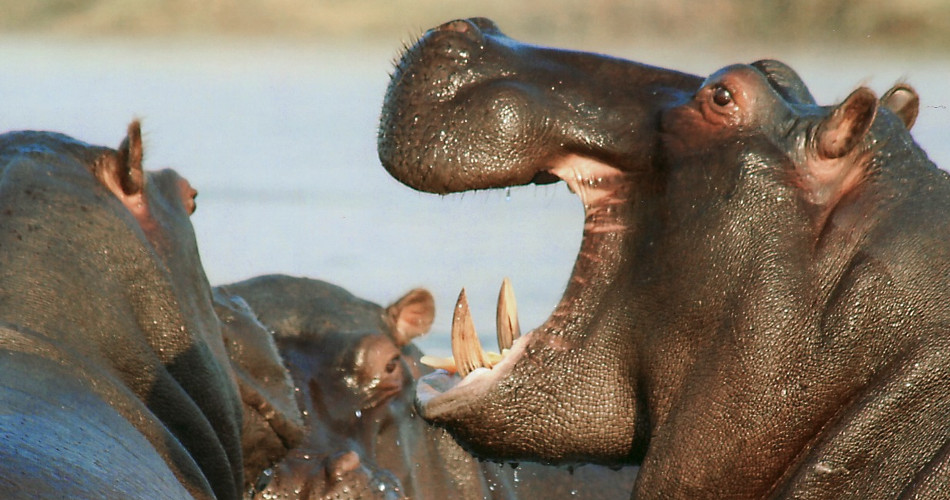
Our second to last tip should be obvious, but is nonetheless sometimes forgotten about in the scramble to see as many animals as possible.
Enjoy it!
The total experience is so much more than sightings, and it should be an absolute pleasure whatever the game viewing outcome may be.
Handy tip #5: Get to Trappers
Before heading out on your next trip, and hopefully you will soon enough, chat to the friendly staff at your nearest Trappers to learn more.
Alternatively, sit back, put your feet up, and shop online here.