
Love the outdoors – How to find and fit your best hiking boot
South Africans love getting outdoors for everything from morning strolls to days-long technical mountaineering. But, too many of us overlook the vital importance of properly fitted footwear.


Let’s face it, we’re blessed with a natural environment envied by enthusiastic wildlife lovers around the world.
It’s little wonder then that we love getting outdoors for everything from morning strolls to day walks to easy going hikes to days-long technical mountaineering.
Whatever your poison, something that has to receive a lot of attention is your footwear.
Many regard it as the most important of all outdoor gear, and it should be carefully chosen to avoid all manner of discomfort and injury.
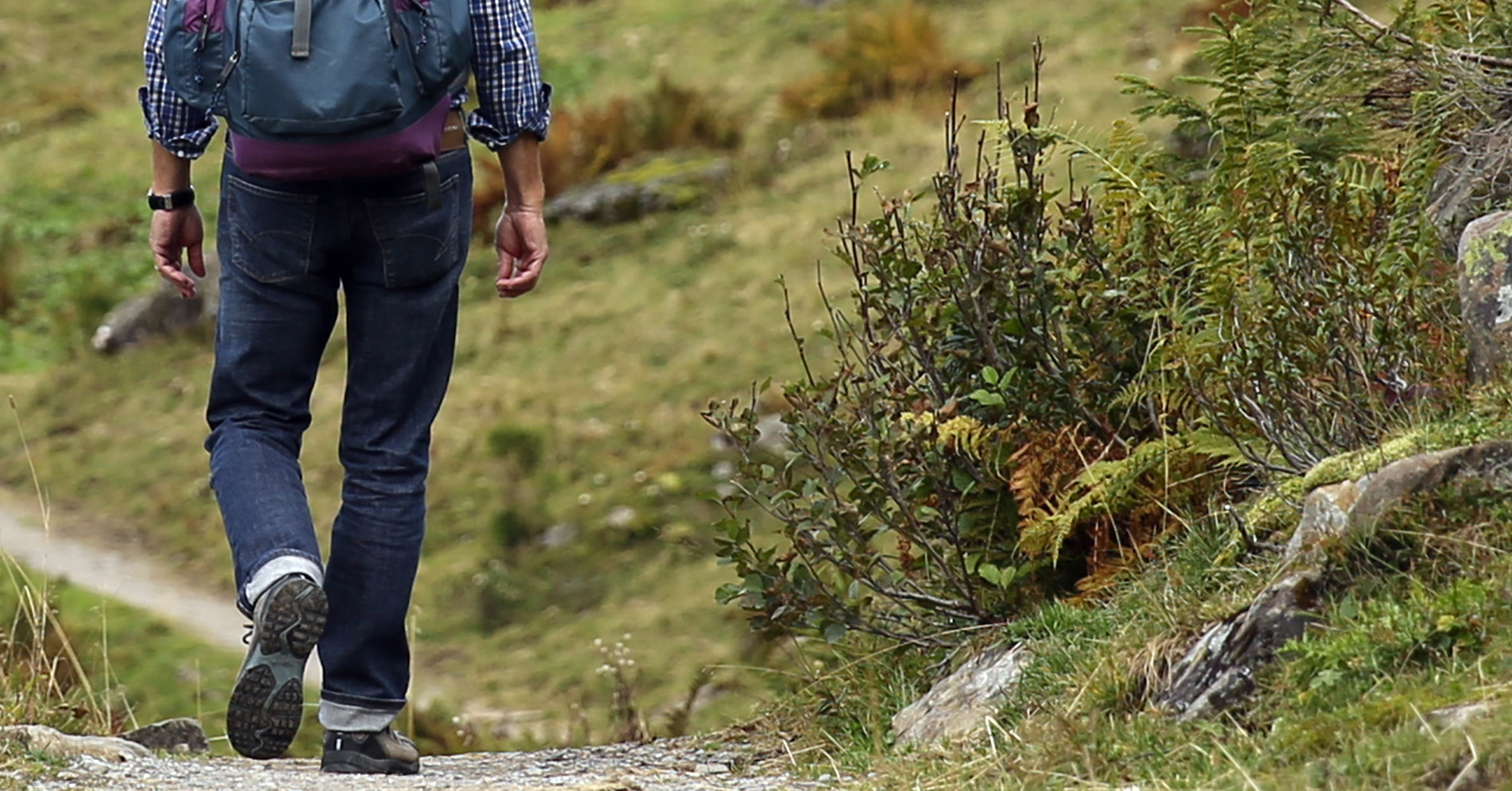
Terrain and type of hike
Your choice of footwear boils down to several factors, the first two of which are type of terrain and type of hike.
Terrain and hike length will help in deciding between a hiking shoe, a hiking boot and a backpacking boot.
-
Hiking shoes
Hiking shoes are best suited to walks on relatively well-established and even paths without steep changes in elevation, and without a heavy backpack.
One of their most attractive features is their light weight – this is to say that they won’t tire your legs out. It’s worth noting that more weight on your feet also has a negative effect on your back.
Given our generally warm and sunny climatic conditions, hiking shoes with a part-mesh upper breathe easily and dry out quickly if they get wet.
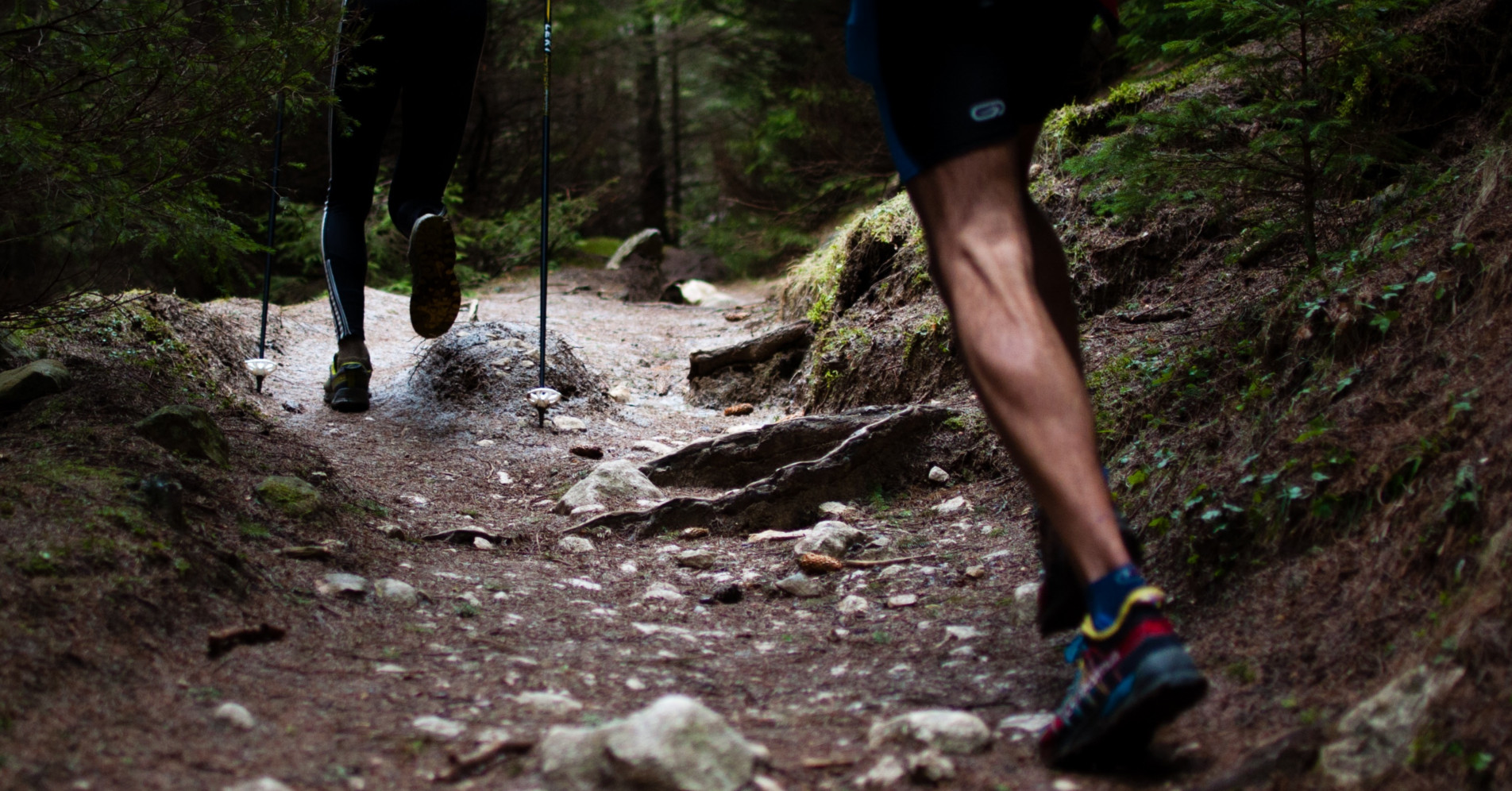
If, however, you anticipate significant amounts of water, a waterproof day hiking boot may be a better option. Look out for linings that allow shoes/boots to breathe while remaining resistant to the ingress of water.
Hiking shoes have flexible soles, but if the terrain contains rocks, roots or uneven surfaces, stiffer soles are definitely preferable.
- Day hiking boot
Day hiking boots are suited to slightly more difficult terrain, and can be used for walks of some distance undertaken with light backpacks.
Although they don’t fit as high on the ankle as backpacking boots, they nonetheless offer some ankle support (ankle support can help prevent twisted ankles).
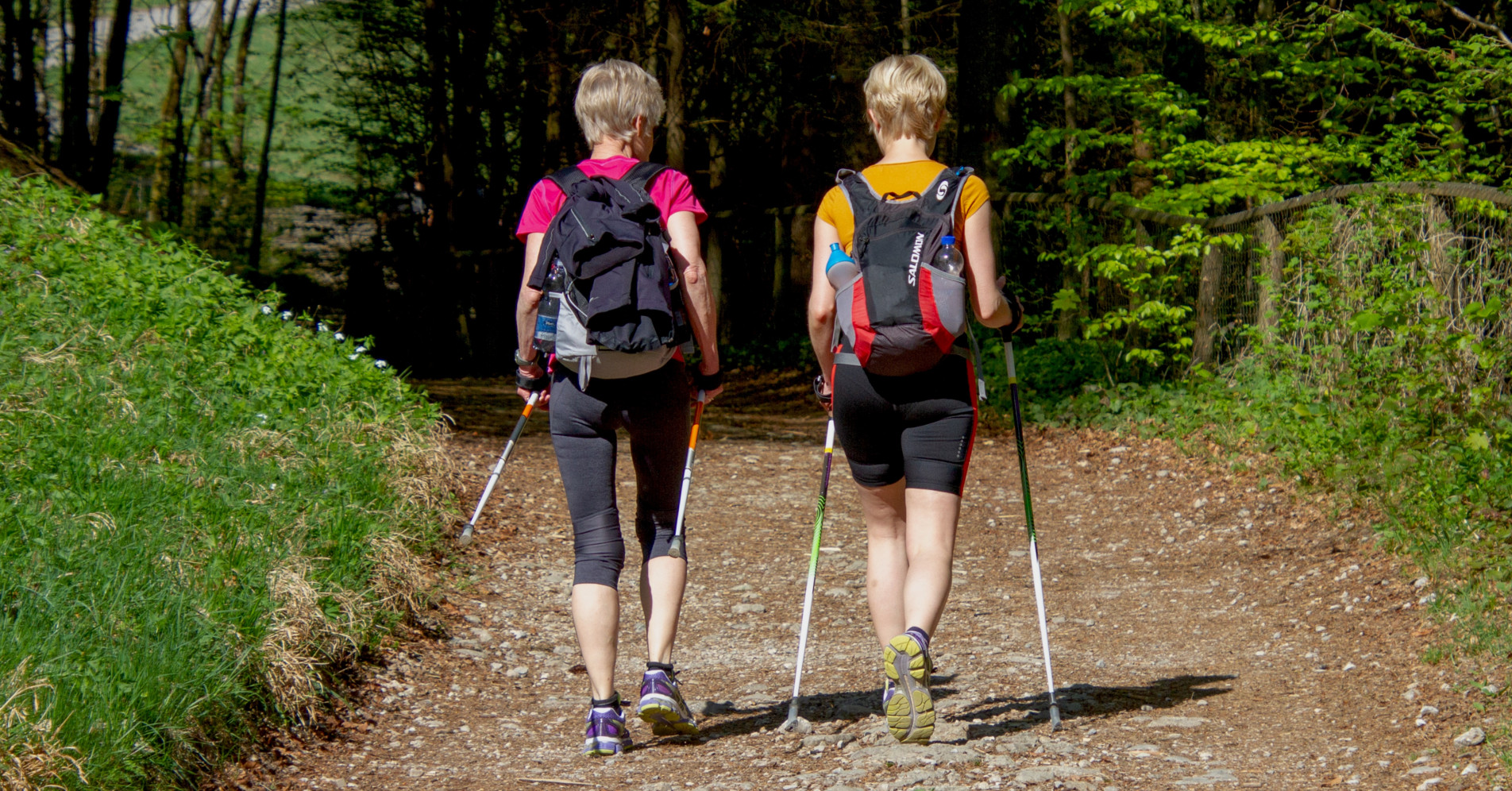
As with hiking shoes, part-mesh uppers breathe well, keep cool and dry quickly, and certain varieties have stiffer soles to help you traverse uneven trails.
- Backpacking boots
Backpacking boots are for (days) long and difficult hikes across a variety of terrains, especially demanding, rocky, and steep and technical paths.
The top of the boot rises above the thinnest part of the ankle in order to protect and stabilise it as much as possible – imagine, for instance, twisting your ankle and being caught in extreme weather conditions far away from a safe camp site.
Fitting
- Our feet are as individual as we are, so it takes time and effort to find the right boots.
- The last thing you want is a shoe that gives you blisters, hurts sensitive points with seams, doesn’t support your arches and continually stubs your toes against the front of the boot.
- Always fit multiple shoes/boots, and never rush the process.
- Ideally, any hiking boot will be snug, but never tight.
- You should be able to fit your index finger in at the back of the boot when your foot is pressed forward, and when you foot is pulled back as far as possible, just a little bit less than a thumb’s width between your toes and the toe cap is desirable.

- Try shoes and boots on while your feet are swollen (at the end of the day, for example).
- Bring in socks that you’ll wear with them (not new socks: socks compress over time, and therefore become thinner, which could make the boot ever-so-slightly too large).
- Always bring any orthotic insoles with you, and never buy a boot without trying them on with the insoles inserted.
- Basically, what you really want from a hiking shoe/boot is for the heel and mid-shoe to hold your foot snuggly in place while your toes have some room to wiggle.
- This will prevent the boot slipping behind your heel and giving you a blister, and it will prevent your toes from hitting the front of the boot when walking downhill.
- The importance of this should never be underestimated.
Get into a Trappers and get the right boot
We certainly hope that you’ve found this info helpful, but to ensure that you get great advice from a store assistant, visit your nearest Trappers and find your perfect hiking footwear.
Alternatively, feel free to shop online here.