
Don’t be caught short – must have safety gear for all hikers
Keeping the right equipment and adhering to best practices are the only ways to avoid dangerous situations when hiking.

It’s little wonder that SA is the envy of the world when it comes to our natural environment. One of the most amazing ways to engage with it is through the art of hiking.
We call it an art because although it may look relatively straightforward, hiking safely, successfully and with the proper etiquette takes practice and preparation.
Safety
We’ll never be able to cover such an immense subject in a single article; instead, we believe it would be wise to narrow the focus and only look at the items every backpacker and day-hiker should regard as absolutely essential gear.
What follows below is a well-known and respected list of the 10 most important safety items for hikers*.
But first, NEVER hike alone and turn back if necessary
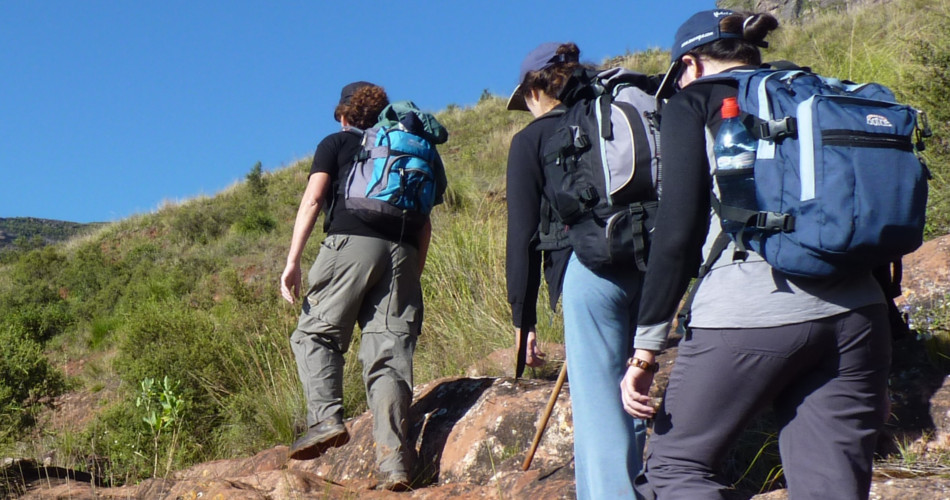
Perhaps most importantly: never hike alone, no matter how experienced you are.
Hikers should pair up, at the very least, but three or more persons accompanying each other could be the difference between life and death. Make no mistake, no mountain is “tame”, and lives are lost without warning.
Turn back if the weather is changing for the worse. Never challenge the weather: it really doesn’t care about your wellbeing.
1. Maps
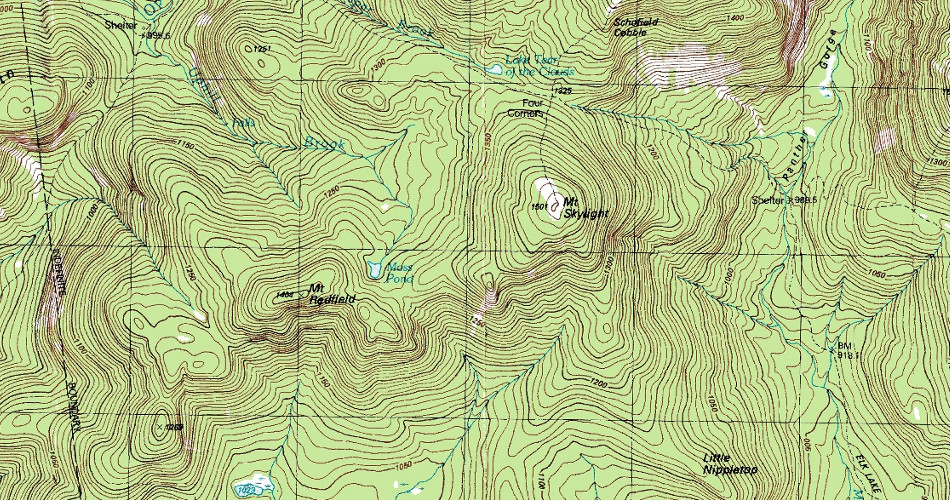
Even if you’re using a GPS system, waterproof physical maps and a magnetic compass should still be carried with you.
They serve as backups that don’t rely on battery power and the reception of satellite signals.
This is especially important if you’re using your smartphone’s GPS: battery power may be lost, the phone may get wet or be dropped, and if you’re not using downloaded offline maps, you’ll need a reliable cell signal.
Although the debate is on-going, a handheld GPS may still be the way to go as they’re more durable than phones, have better satellite signal receivers than phones, only use satellite signals for location, and their maps will always be downloaded beforehand.
The argument against smartphones is that they aren’t designed specifically for challenging hiking conditions, and that their GPS is really meant for car directions and geo-targeting for search engine results/ads, etc.
Either way, study your maps carefully beforehand, not only to commit them to memory, but also to get a solid grasp of their scales.
What looks short on a map may be a considerable distance in reality. You may also underestimate the height and gradient/steepness of elevations.
Find out more about why a physical map is so necessary here.
2. Handheld GPS and compass

Much about GPS devices has been said above, but there are one or two things to add.
A light, small but accurate compass serves as a good backup should the GPS stop functioning. If you’re old-school and don’t want to use GPS, the magnetic compass is an absolute necessity (this is self evident).
When using a physical map if your GPS has gone on the blink, you may become completely disorientated and read your maps incorrectly if you can’t position them in the right direction.
Always know where true north is, and always take the time to read your maps properly – this could avoid silly, careless mistakes.
3. Warm clothes and 4. Extra clothes

It may seem unnecessary to take long pants, a warm jersey (or, preferably, a waterproof windbreaker) on a hike in summer or a hike that’ll only last a few hours.
But, inclement weather can set in extraordinarily quickly, especially in mountainous areas and at high elevations.
This owes to the fact that mountainous regions can dramatically change the macro scale climatic conditions due to their specific topographical features.
Additional clothes, primarily, are useful if you get wet or if clothing gets damaged.
5. Extra food and water
This is most significant when it comes to overnight and days-long backpacking. Heavy fog, bad weather, injury or illness may occur, extending your excursion.
In hot conditions, as well as in cold conditions, it’s imperative that one stays well hydrated.
Carrying additional water that you know to be clean is the most desirable option, and it’s your only option in areas where no other source of water is available.
In areas with streams, etc., you have to clean the water of harmful pathogens. Ask well informed and experienced rangers or hikers which method is best for the area.
Chemical treatment with iodine and chloride is popular, but they won’t kill all parasites in the water (e.g. if cryptosporidium is present).
Filters are widespread, but they may not catch all viruses.
Filtering the water first and then using a UV light pen is a newer method that’ll get great results (the pen gets inserted into your water bottle and emits light for enough time to damage viruses’ DNA).
Bringing the water to a “rolling” boil for three minutes and then allowing it to cool down is another good option.
Ideally, you’ll want the water to reach at least 75 degrees Celsius. The higher the elevation, the longer you should boil the water as the boiling temperature drops when air pressure decreases.
6. Torch and extra batteries

This one is self-explanatory, but often overlooked.
7. First aid kit
Stock your first aid kit as well as you possibly can.
Plasters, bandages, antiseptics like mercurochrome or Savlon, painkillers, muscle relaxants, epi-pens, anti-diarrhoea meds, scissors and medication for pre-existing conditions are must-haves, but this list is hardly exhaustive.
8. Matches/lighter and fire starters
Only to be used when absolutely necessary if a naked fire is needed. Carry all of these in a sealed, waterproof plastic bag. A magnesium fire starter will work in damp conditions.
9. Blowing whistle
Loud whistles are for search and rescue purposes in addition to helping members of a hiking group find each other if they get separated. Separated individuals can locate one another by exchanging whistles.
10. Solid knife and strong rope
It’s preferable to have a knife with a saw blade as well as a sharp and smooth cutting blade. However, the sharp blade is the essential item.
Other safety measures
- Stick to the trail – no short cuts, no trailblazing, no cutting corners.
- Sign a register when leaving for the hike, and give a realistic estimated time of arrival back at the basecamp/lodge/etc.
- Tell someone else (who’ll remember) what trail you’re taking, and how long it should take. Search and rescue will start by looking for you on your trail.
- Carry a cell phone – but, it shouldn’t be relied upon as mountains often obscure signals. In case of mental confusion (e.g. injury, heatstroke, hypothermia, etc.) programme an emergency number into its speed dial (number 1).
- To recharge your cell, it’s a good idea to carry a powerbank.
- A balanced, properly weighted backpack will guard against fatigue and persistent back pain.
- Pack duct tape for makeshift repairs to clothing, boots, backpacks, tents, water bottles and a lot more.
- Inform yourself about dangerous and poisonous snakes and/or scorpions in the area. Snakes with neurotoxins need different on-the-spot treatment to snakes with cytotoxins and haemotoxins.
Stock up
Before heading out on an awesome hike (and we encourage you to do so in the strongest possible terms), make sure that you have all the items in our list.
Safety comes first, always.
Get to your nearest Trappers and stock up on the essentials, or shop online here.

*The 10 point Mountaineering: The Freedom of the Hills list has been extracted from There and Back Safely: Hiker Safety Considerations, Information and Protocol. Published by CapeNature.