
30 000 African elephants slaughtered every year – understanding the ivory trade part 1
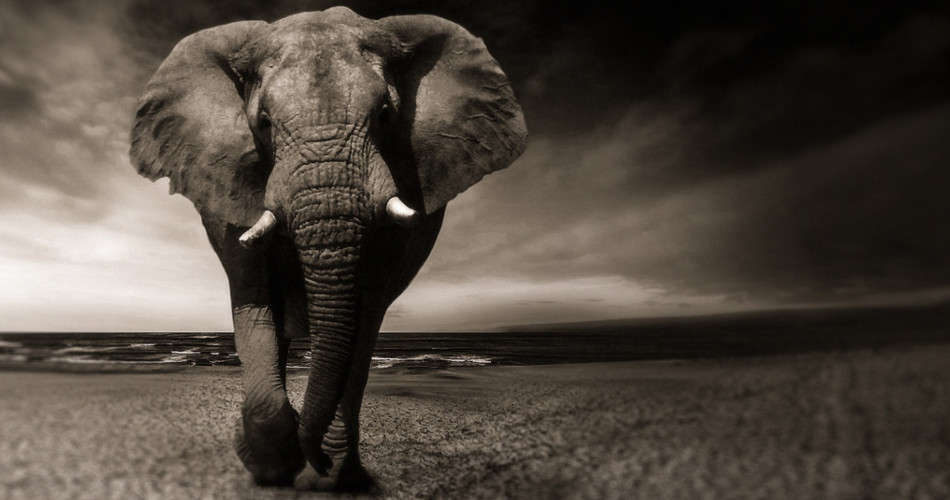
If current trends continue, one of the Earth’s most beautiful animals may soon be circling the abyss of extinction. The reason? Ivory.

On 31 December 2017, the trade in ivory was dealt a severe blow: China, which at the time accounted for 70% of the world’s demand, enacted a near-complete ban promised in 2015.
This is to say that China’s legal trade in ivory, with a few special exceptions, had officially ended.
Black markets, however, still promise riches to those supplying ivory, and a demand for elephant tusks persists outside the borders of the Asian tiger: notably, in Loas and Thailand, both of which are popular tourist destinations for Chinese travellers.
There are two sides to any market, including the ivory trade – supply and demand.
In this article we’ll cover some of the demand side info, and its sister article (Understanding the ivory trade part 2) focuses on the inhumane and absolutely overwhelming tragedy of ivory supply.
The demand for ivory
Historic demand
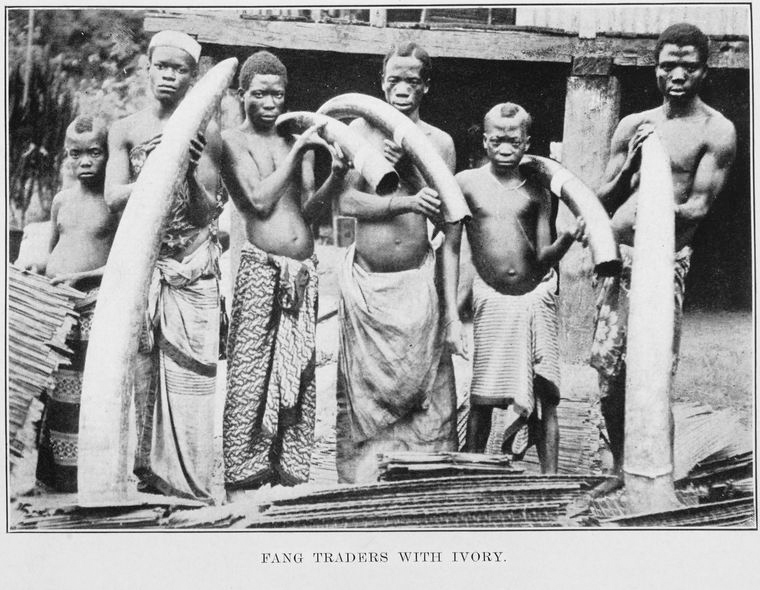
Beginning in the 1800s, European and American markets for tusks boomed, resulting in a devastation of elephant populations. By 1913, the US was consuming 200 tonnes of ivory per year.
Japan later entered the fray, and the number of elephants dropped from an estimated 26 million in 1800 to an estimated 600 000 in 1989.
Some commentators have referred to the decades leading up to a 1989 international ivory trade ban as the “ivory holocaust”.
The 1989 CITES ban
Due to pressure from activists and well-executed public awareness campaigns, the Convention on International Trade in Endangered Species of Wild Fauna and Flora (CITES) promoted elephants to their highest tier of endangered species list (Appendix 1), effectively banning all international trade in ivory.
In the decade following the ban – from 1989 to 1999 – elephant populations began to recover, rising to an estimated 1 million.
Stimulating demand – “Special sales”
The Convention then made two exceptions to the ban: it allowed for two “special sales” of ivory stock piles from various African countries.
The first sale (1999) was to Japan, and by certain reports, the proceeds of the sale had a positive impact on elephant conservation. With this said, it must be noted that the effects of the sale are the subject of much debate.
The effect of the second special sale in 2008, however, seems to be beyond doubt: the sale of ivory to both Japan and China revived and help create an insatiable demand for ivory in a country with a rapidly expanding middle class.
Why ivory?
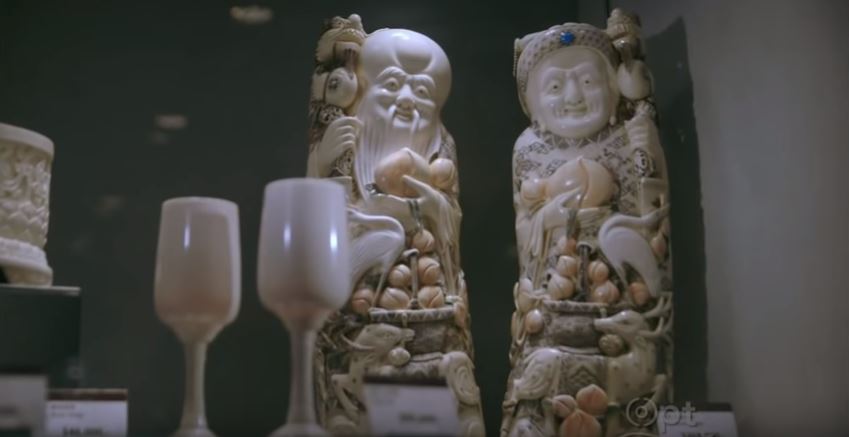
The demand for ivory in the most populous nation on Earth is due to several factors, but the central two include cultural and spiritual heritage, and the other is status (i.e. a sign of wealth and social stature).
Ivory carving has a long history in the region (perhaps dating back 3 000 years). Statues with a strong link to religious beliefs and cultural traditions could be found throughout authorised dealers’ stores before the 2017 prohibition.
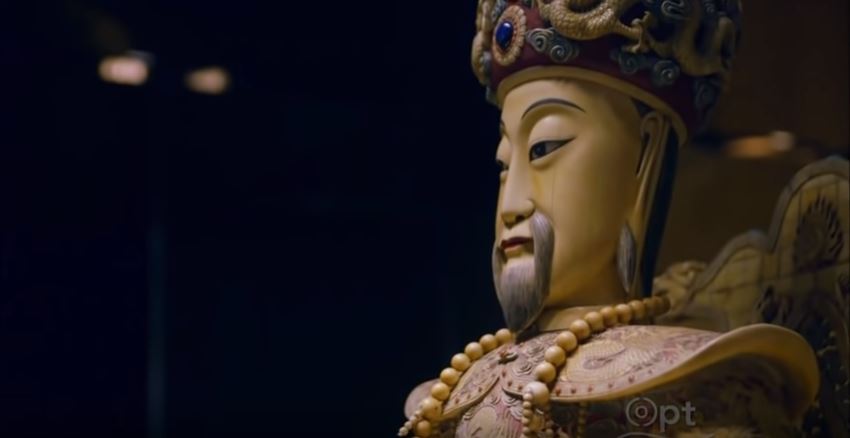
Hiding in the shadows
Before this prohibition, China allowed for the sale of all ivory that was procured by the 2008 sale. As could be expected, the legal sale of ivory masked an immense network of illegal trade, and in 2013 the BBC reported that the International Fund for Animal Welfare believed that only 16% of the ivory trade was legal.
This masking of contraband tusks made a significant contribution to the dramatic increase in demand in the past decade.
In the lead-up to the ban, according to National Geographic’s animal desk senior editor, Rachael Bale, some 30 000 elephants were poached every year – this equates to 82 per day.
Shrinking markets or exporting them elsewhere?
National Geographic Explorer, Gao Yufang, says that prices have already succumbed to downward pressure, and the Chinese market for ivory is shrinking.
The Diplomat’s Kevin Bielicki, however, sounds a more ominous note: “Without the legal ivory trade, illegal ivory trafficking has grown”.
Moreover, in October 2018, africanews reported,
Increased amounts of ivory from Africa are being smuggled from Myanmar into China, despite Beijing’s introduction… of a ban on legal ivory sales, according to a report published… by the wildlife conservation group Save the Elephants.
Another worry is the expansion of tourist markets outside China.
Even before the prohibition had taken effect, the BBC reported that Laos, bordering Thailand, had the fastest growing demand for ivory, and that both countries are popular destinations for Chinese tourists.
Tackling supply

With all of the above in mind, to make truly significant territorial advances in the war on poaching, conservationists and the public at large – especially those in communities near elephant populations – have to look beyond demand and focus considerable attention on completely uprooting supply.
On a continent marred by widespread poverty and corruption, this may be every bit as hard as vanquishing the desire for ivory in overseas markets.
Read more about the inhumane and heart-wrenching supply side of the ivory trade here.